Quick Answer: Which Tactical Backpack Manufacturers Should Buyers Compare in 2026?
The right tactical backpack manufacturers depend on the buying model. Private-label brands usually need an OEM or contract sewing partner, while military units, distributors, and specialist retailers may prefer an established finished-product brand. This 2026 shortlist compares both groups, with Fieldtex Cases, LQ ARMY, Zennison, ZWbags, MYSTERY RANCH, Savotta, Tasmanian Tiger, Eberlestock, Kifaru, and London Bridge Trading selected for distinct sourcing strengths.
The order is not a universal quality score. First choose between custom manufacturing, private labeling, domestic-contract production, and an established brand. Then compare materials, load carriage, sampling, quality-control evidence, order terms, and specification control.
How We Selected These Tactical Backpack Manufacturers
We reviewed first-party company and product information available in July 2026. Selected suppliers show a meaningful tactical backpack range, manufacturing or development capability, a defined buyer route, and enough detail for an initial procurement conversation.
- OEM/ODM fit: Can the supplier modify structure, materials, branding, hardware, and packaging?
- Program fit: Is the offer suited to retail, institutional, government, emergency-response, or specialist professional buyers?
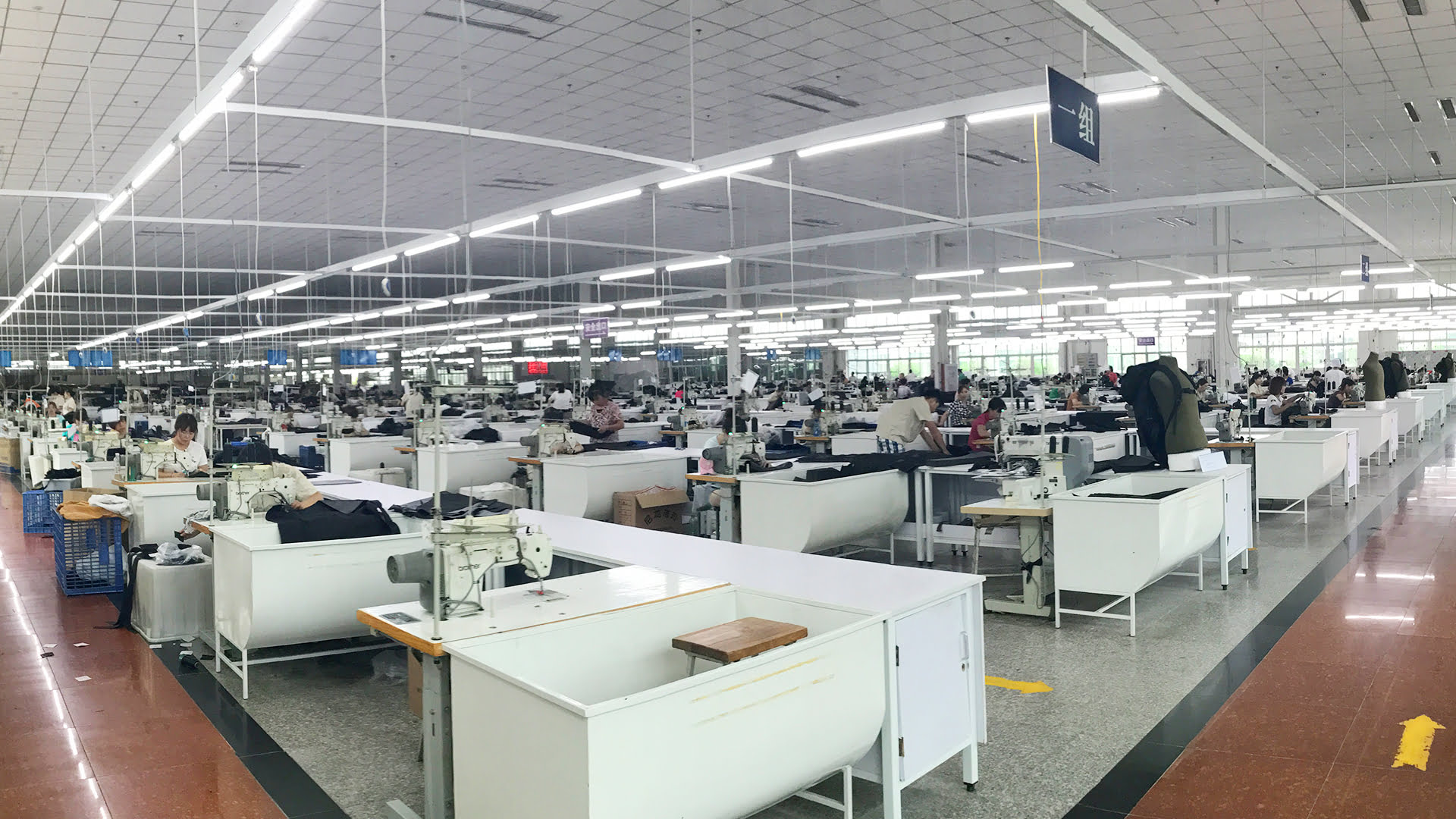
- Manufacturing visibility: Does the company explain prototyping, production, quality control, or its production location?
- Load-carriage expertise: Does the product range address harness fit, frames, modularity, organization, or heavy-load use?
- Buyer clarity: Can a sourcing team identify a practical next step without relying only on promotional claims?
2026 Sourcing Benchmarks: MOQ, Sampling, Lead Time and Capacity
For early budgeting, buyers can use the following planning ranges before requesting a project-specific quote. They are calculated from current supplier-published starting points—including ZWbags at 100 pieces and Zennison at 300 pieces per style and color—plus the additional material and development commitments created by deeper customization.
| Planning item | Practical 2026 range | Typical project | What moves the number upward |
|---|---|---|---|
| MOQ: existing design | 100–300 pcs per style/color | Catalog model, standard color, logo or label change | Custom fabric color, uncommon hardware, complex packaging |
| MOQ: modified design | 300–500 pcs per style/color | Pocket, MOLLE, lining, harness, color, or hardware changes | New molds, custom-dyed components, exclusive trims |
| MOQ: new development | 500–1,000+ pcs per style/color | New structure, custom material, proprietary component set | Multiple sizes, camouflage printing, branded buckles or zippers |
| Sample development | 7–15 days for a catalog modification; 15–30 days for a new structure | One approved material set and one sample revision | Repeated fit rounds, new tooling, lab testing, material sourcing |
| Bulk production | 25–45 days after sample approval and deposit | Regular tactical backpack order with confirmed materials | Large volume, custom-dyed fabric, special camouflage, branded hardware |
| Common capacity bands | 25–35L, 35–45L, and 70–90L | Day/patrol, short-mission, and large load-bearing packs | Frame systems, detachable modules, or specialist equipment storage |
| Common fabric options | 600D, 900D, 1000D, and up to 1680D options | Value retail through heavier-duty product positioning | Branded fabric, coatings, custom dye lots, and test requirements |
How to use the ranges: treat them as a sourcing budget, not a final quotation. MOQ is often controlled by the least flexible component—such as custom fabric, webbing, buckle color, or printed packaging—rather than by sewing capacity alone.
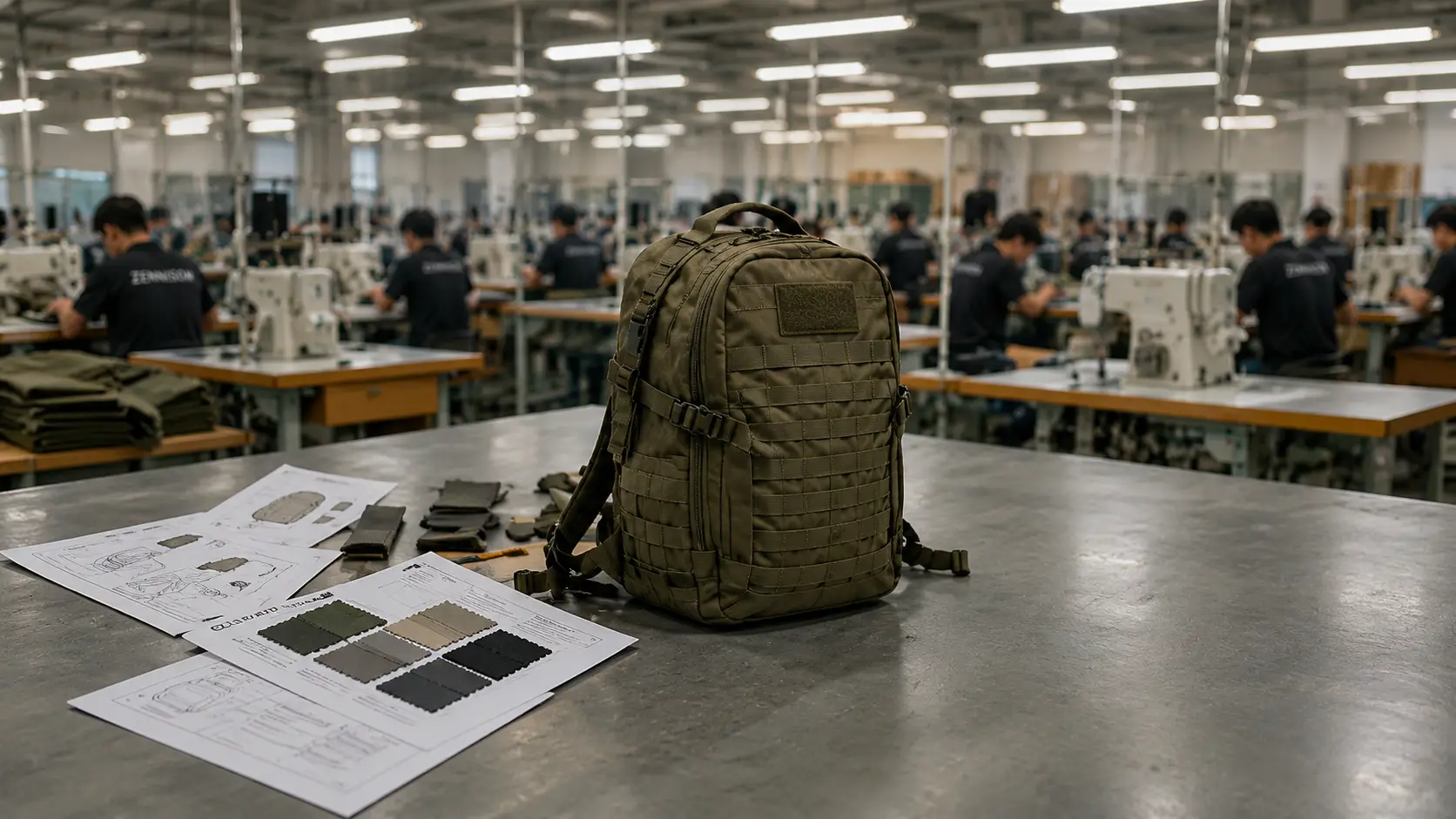
Top 10 Tactical Backpack Manufacturers at a Glance
| Rank | Company | Sourcing model | Best fit | Buyer note |
|---|---|---|---|---|
| 1 | Fieldtex Cases | U.S. contract sewing and custom OEM | Defense, medical, equipment-carry, and domestic manufacturing programs | Strong option when documentation and made-in-USA production matter. |
| 2 | LQ ARMY / Litai | China-based OEM/ODM tactical gear supply | Brands, wholesalers, and custom tactical product programs | Compare material, logo, structure, and QC requirements in the sample brief. |
| 3 | Zennison | China-based B2B manufacturing, wholesale, and OEM/ODM | Importers, private-label brands, distributors, and project suppliers | Broad backpack formats with configurable fabric, MOLLE, hardware, logo, and packaging. |
| 4 | ZWbags / ZhiWei | Custom bag factory and OEM/ODM | Retail and ecommerce brands developing private-label tactical packs | Useful for concept-to-sample projects; confirm advertised order terms in writing. |
| 5 | MYSTERY RANCH | Established branded load-carriage systems | Military, fire, professional, and premium product benchmarking | Primarily a finished-product route rather than generic private-label OEM. |
| 6 | Savotta | EU manufacturing and branded professional equipment | European defense, institutional, outdoor, and durability-focused buyers | Notable for EU production, repairability, and load-carrying systems. |
| 7 | Tasmanian Tiger | Vertically controlled branded production | Military, police, medical, and specialist retail channels | Evaluate its carrying systems and finished-product distribution route. |
| 8 | Eberlestock | Branded modular tactical and outdoor systems | Professional users, institutional programs, hunting, and specialist retail | Mission EMOD provides a useful modular-system benchmark. |
| 9 | Kifaru | U.S.-sewn direct brand and modular frame packs | Heavy-load, backcountry, rucking, and premium made-in-USA demand | Better suited to branded-product sourcing or benchmarking than private label. |
| 10 | London Bridge Trading | U.S. tactical equipment manufacturing | Military, institutional, and larger custom programs | Custom work is considered case by case and generally favors significant quantities. |
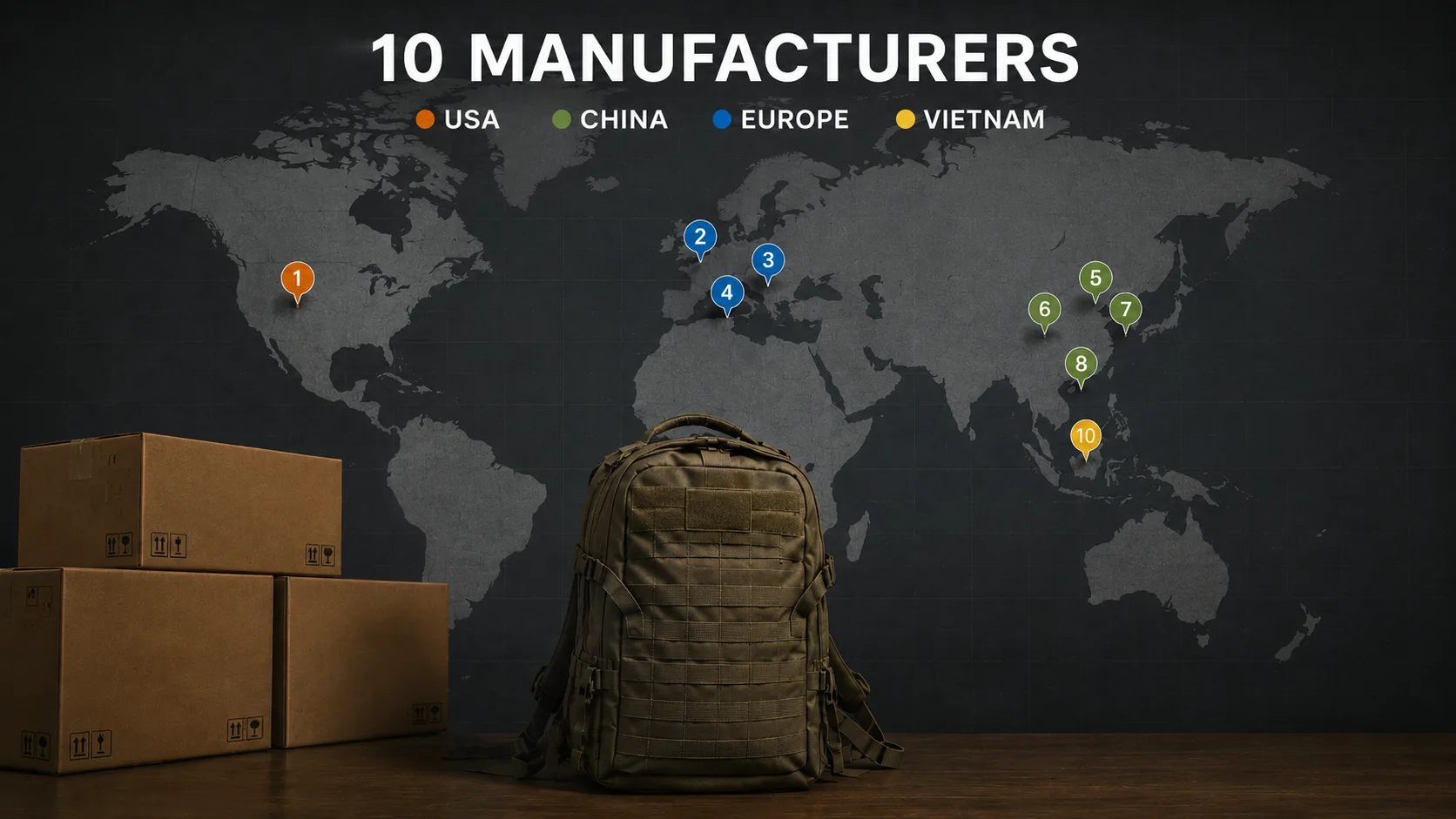
Top 10 Tactical Backpack Manufacturers for Different Buyer Needs
1. Fieldtex Cases — Best for U.S. Contract Sewing Programs
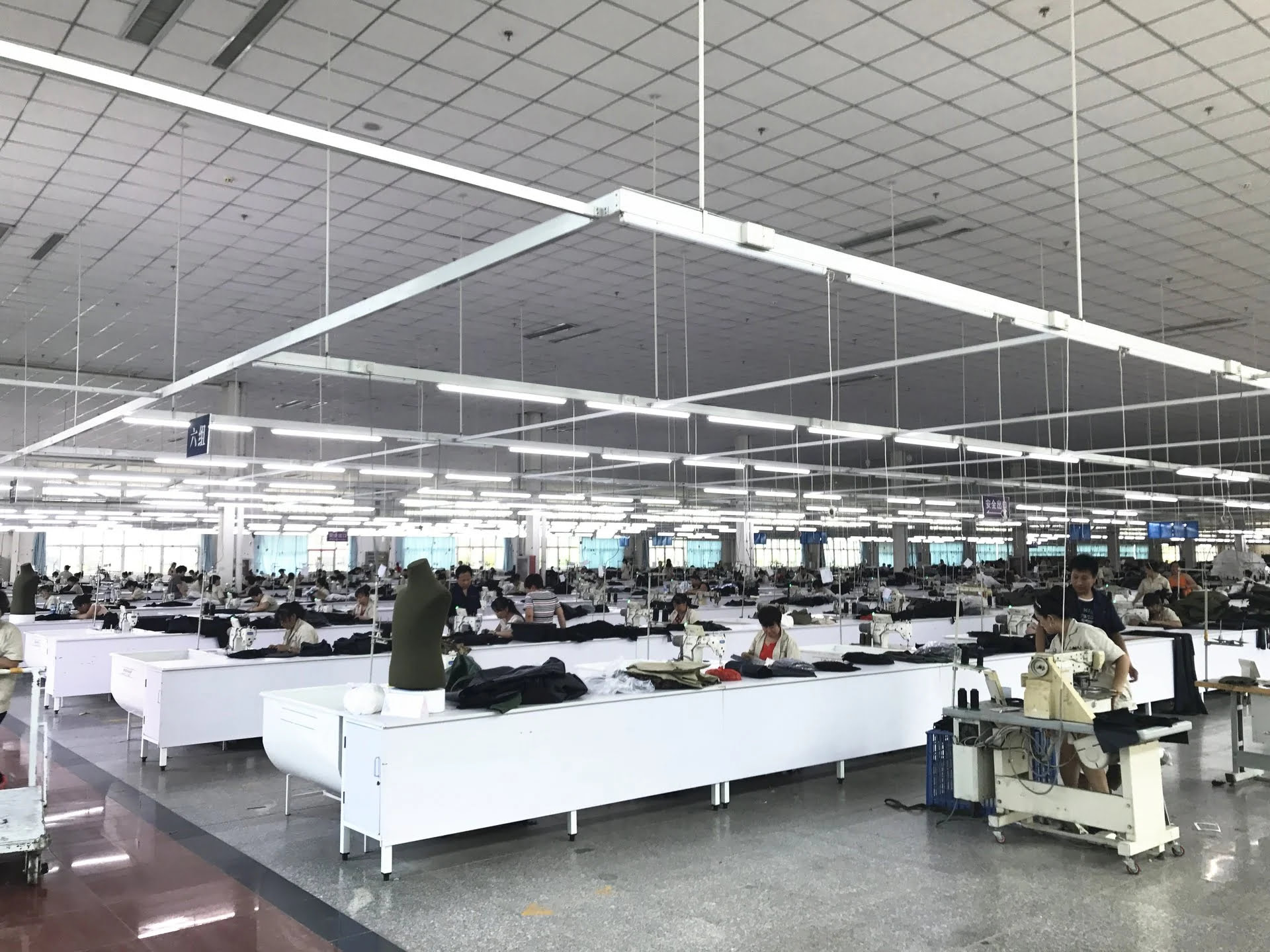
Fieldtex Cases presents an 86,000-square-foot U.S. production floor with more than 125 skilled operators for defense, medical, and OEM programs. Its published capabilities include design support, prototyping, load-bearing backpack construction, MOLLE-compatible systems, industrial sewing, and Berry Amendment or military-specification material options. Fieldtex is a strong starting point when domestic production, controlled documentation, and custom equipment integration matter more than the lowest unit cost.
2. LQ ARMY / Litai — Best for Broad Tactical Gear OEM/ODM
LQ ARMY, associated with Litai, markets OEM and ODM manufacturing for tactical backpacks, bags, vests, pouches, and related equipment. Its website describes customization of design, size, materials, logo application, and production, making it relevant to wholesalers and tactical brands that want multiple product categories from one supplier. The main procurement advantage is breadth: a buyer can discuss a backpack together with compatible pouches or other sewn tactical gear. Before sampling, define fabric composition, coating, webbing dimensions, stitch reinforcement, zipper and buckle brands, color tolerances, packaging, and acceptable quality limits rather than approving a product from images alone.
3. Zennison — Best for Configurable B2B and Private-Label Backpack Programs
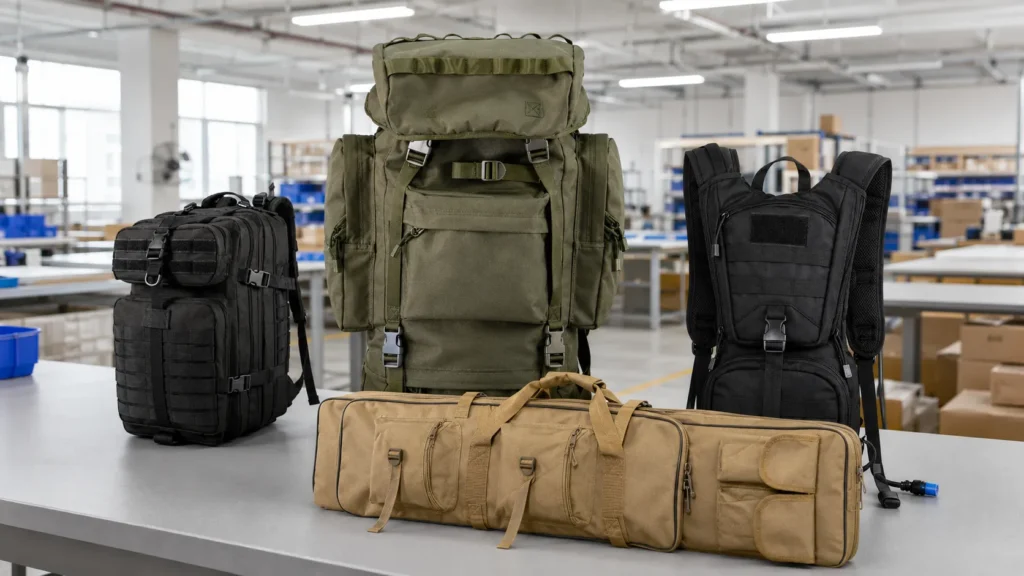
Zennison’s verified tactical backpack manufacturer and OEM page covers compact modular packs, 3-day backpacks, patrol packs, hydration systems, framed rucksacks, expedition sizes, and tactical equipment cases. Published configuration options include 600D to 1680D nylon or polyester choices, solid and camouflage colors, custom logo methods, MOLLE layouts, compartments, hardware levels, and retail-ready packaging.
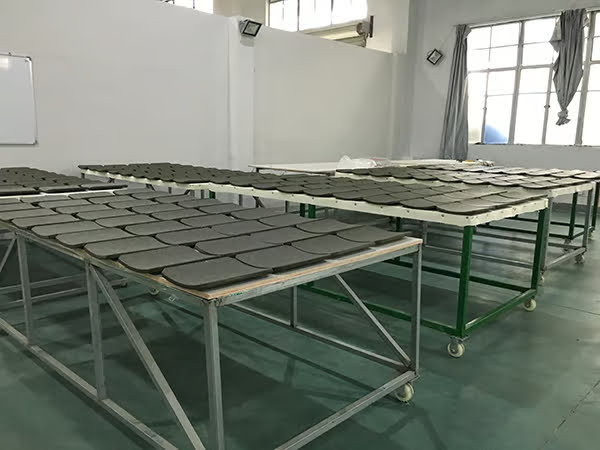
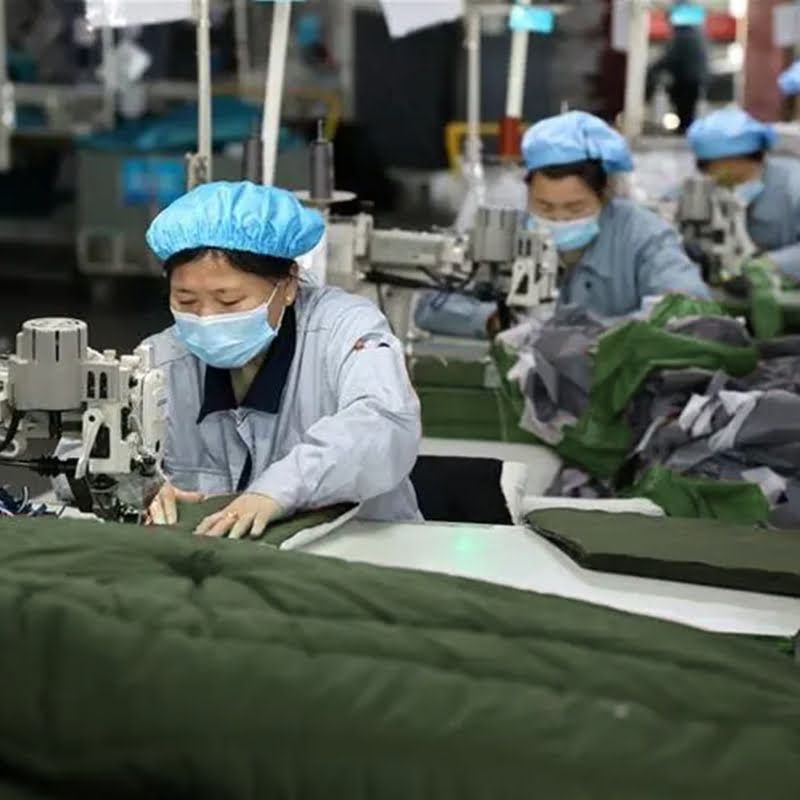
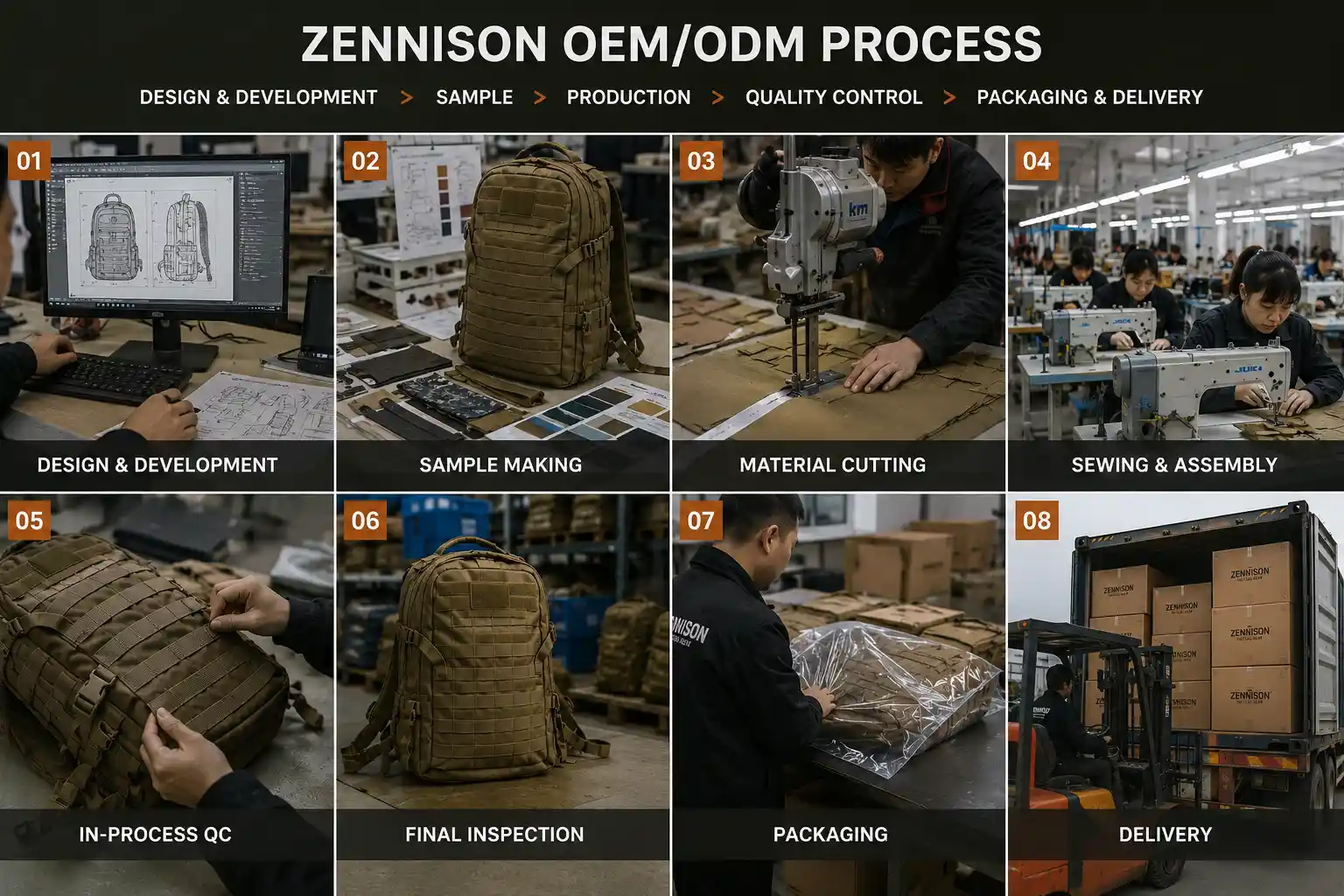
The sourcing workflow runs from requirement review and pattern development through sampling, cutting and sewing, multi-stage inspection, and export packing. Zennison currently publishes a standard starting MOQ of 300 pieces per style/color for regular tactical backpacks and a production lead time of 35–45 days after sample approval and deposit. Larger 65–90L rucksacks, custom fabric, camouflage, branded hardware, and private-label packaging can change those figures. For a structured request, use Zennison’s bulk tactical backpack specification checklist before asking for a quotation.
4. ZWbags / ZhiWei — Best for Private-Label Product Development
ZWbags promotes a custom program covering capacity, compartment structure, sewn or laser-cut MOLLE, fabric, coating, logo, hardware, color matching, and packaging. Its published range spans compact everyday-carry formats through larger framed packs. The company currently publishes a 100-piece MOQ per style/color, 7–10 days for standard samples, and 25–35 days for production depending on quantity and complexity, making it a useful comparison for ecommerce and retail product development.
5. MYSTERY RANCH — Best for Load-Carriage Benchmarking
MYSTERY RANCH is a Bozeman-based specialist built on nearly 50 years of pack design and manufacturing experience. Its procurement value is the maturity of its harness, frame, fit, and mission-specific architecture rather than generic private-label flexibility. The company also states that it maintains an ISO 9001 quality management system. Institutional purchasers can investigate its military route, while developers can benchmark torso adjustment, weight transfer, access, compression, and modular load carriage.
6. Savotta — Best for EU-Made Professional Load-Carrying Equipment
Savotta is a Finnish family-owned company established in 1955. It states that 100% of its products are made in the EU and 97% of materials come from EU manufacturers, with production concentrated in Finland and Estonia. Savotta also describes capacity for multi-year government contracts and smaller prototype batches for field testing. It is relevant to buyers who prioritize EU traceability, repairability, long service life, and established professional load-carrying equipment.
7. Tasmanian Tiger — Best for Integrated Carrying-System Design
Tasmanian Tiger, established as a Tatonka tactical brand in 1999, documents multiple carrying systems for different load ranges and back lengths. Products move from prototype to series production in company-owned facilities, with defined production and final-control processes. The range is useful for police, military, medical, and specialist retail buyers comparing harness adjustment, frame behavior, pack volume, modular attachment, and finished-product distribution.
8. Eberlestock — Best for Modular Mission and Professional Programs
Eberlestock has developed tactical, hunting, shooting, and outdoor gear since 1985. Its Mission EMOD platform uses a 2 lb 15 oz modular frame with assault, medic, load-panel, and accessory configurations, giving professional buyers a system rather than one isolated pack. The company also operates channels for military, law enforcement, emergency services, and allied international users.
9. Kifaru — Best for U.S.-Sewn Heavy-Load Pack Systems
Kifaru states that its products are sewn in Colorado and Wyoming. The current range includes modular frames and packs for heavy backcountry loads, rucking, hunting, and tactical-style use, with selected products specifying 500D CORDURA, MOLLE panels, and U.S. origin. Kifaru provides a strong benchmark for premium load transfer, frame fit, modular bags, and made-in-USA positioning.
10. London Bridge Trading — Best for U.S.-Made Tactical Programs
London Bridge Trading states that its products are made in Virginia and Texas, with more than 2,000 manufactured products and over 300 retail items. Its range includes packs, bags, pouches, medical equipment, and other tactical soft goods. The company considers custom products case by case, generally when quantities justify development and production, making it relevant to military, institutional, and larger custom programs.
OEM Factory or Tactical Brand: Which Sourcing Model Fits?
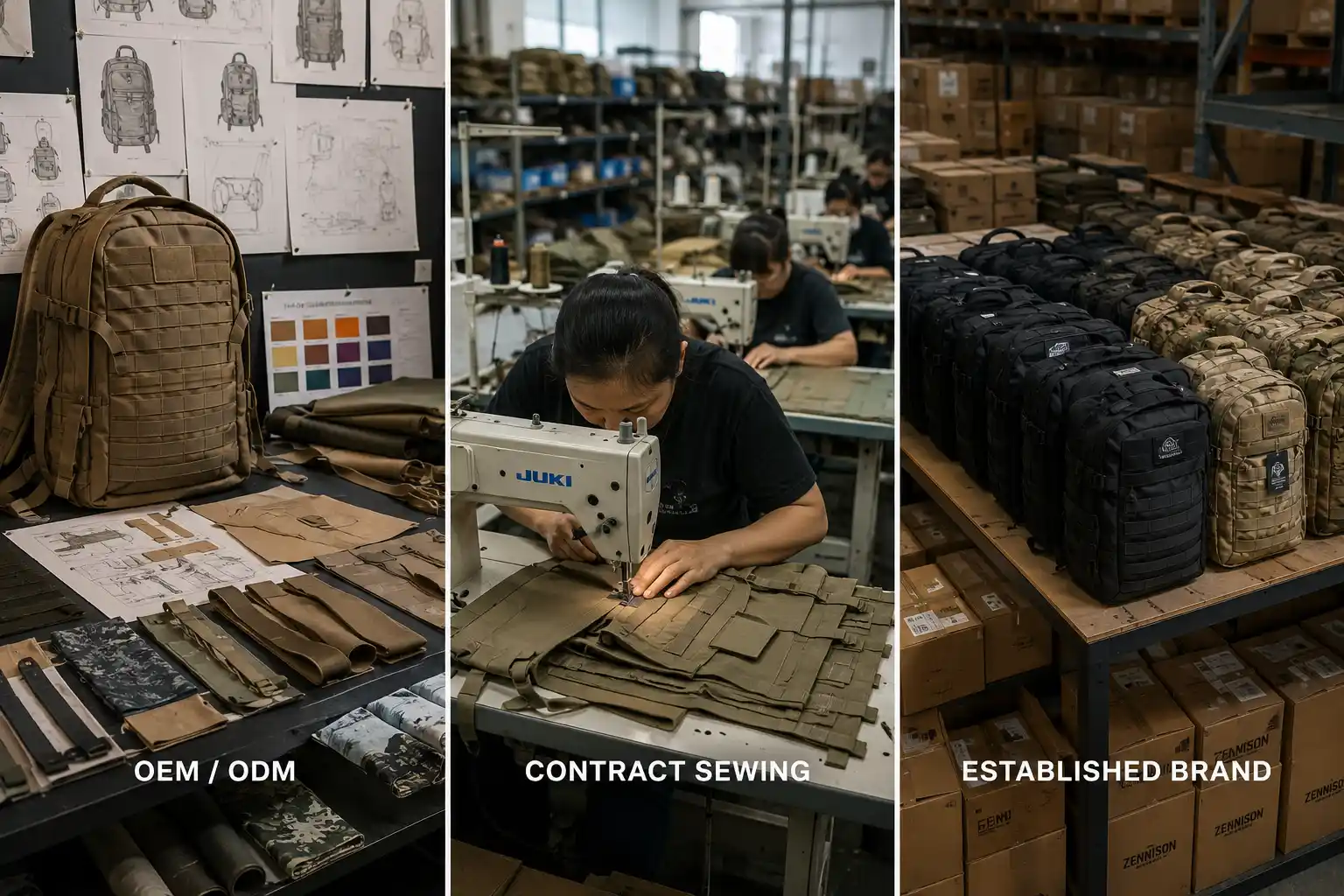
An OEM factory is usually the better route when you own the product concept, need private labeling, want to adjust price and specifications, or plan repeat orders under your brand. A finished-product company is usually better when field recognition, an established design, immediate catalog access, dealer support, or institutional adoption matters more than exclusive customization.
- Choose OEM/ODM for custom structure, target costing, private-label packaging, exclusive colors, or a differentiated retail line.
- Choose contract sewing when you already have drawings, regulated sourcing requirements, sensitive equipment integration, or controlled domestic production needs.
- Choose an established brand when you want proven catalog products, system compatibility, recognized design language, or a professional purchasing program.
- Use a dual-source strategy when a branded benchmark supports immediate demand while an OEM partner develops a differentiated long-term range.
What to Put in a Tactical Backpack RFQ
A request for quotation (RFQ) should make competing offers comparable. A low unit price is not meaningful if suppliers quote different fabric, hardware, reinforcement, inspection, or packaging assumptions.
- Define the user, intended load, duration, climate, and sales or procurement market.
- State target capacity, dimensions, empty-weight ceiling, and dimensional tolerances.
- Specify fabric by fiber, denier, coating, color, and required test method—not denier alone.
- Map compartments, openings, hydration routing, MOLLE or modular panels, and attachment points.
- Define the harness, back panel, sternum strap, waist belt, frame, and torso-adjustment requirements.
- Name zipper, buckle, webbing, hook-and-loop, thread, and reinforcement expectations.
- Provide logo artwork, labeling, barcode, polybag, carton, and shipping-mark requirements.
- Request a sample approval process, inspection checklist, defect classification, and change-control record.
- Confirm MOQ, sample cost, tooling, payment terms, production schedule, Incoterm, and warranty in writing.
- For government or protective applications, complete end-use, export-control, sanctions, test-evidence, and tender-compliance review before contracting.
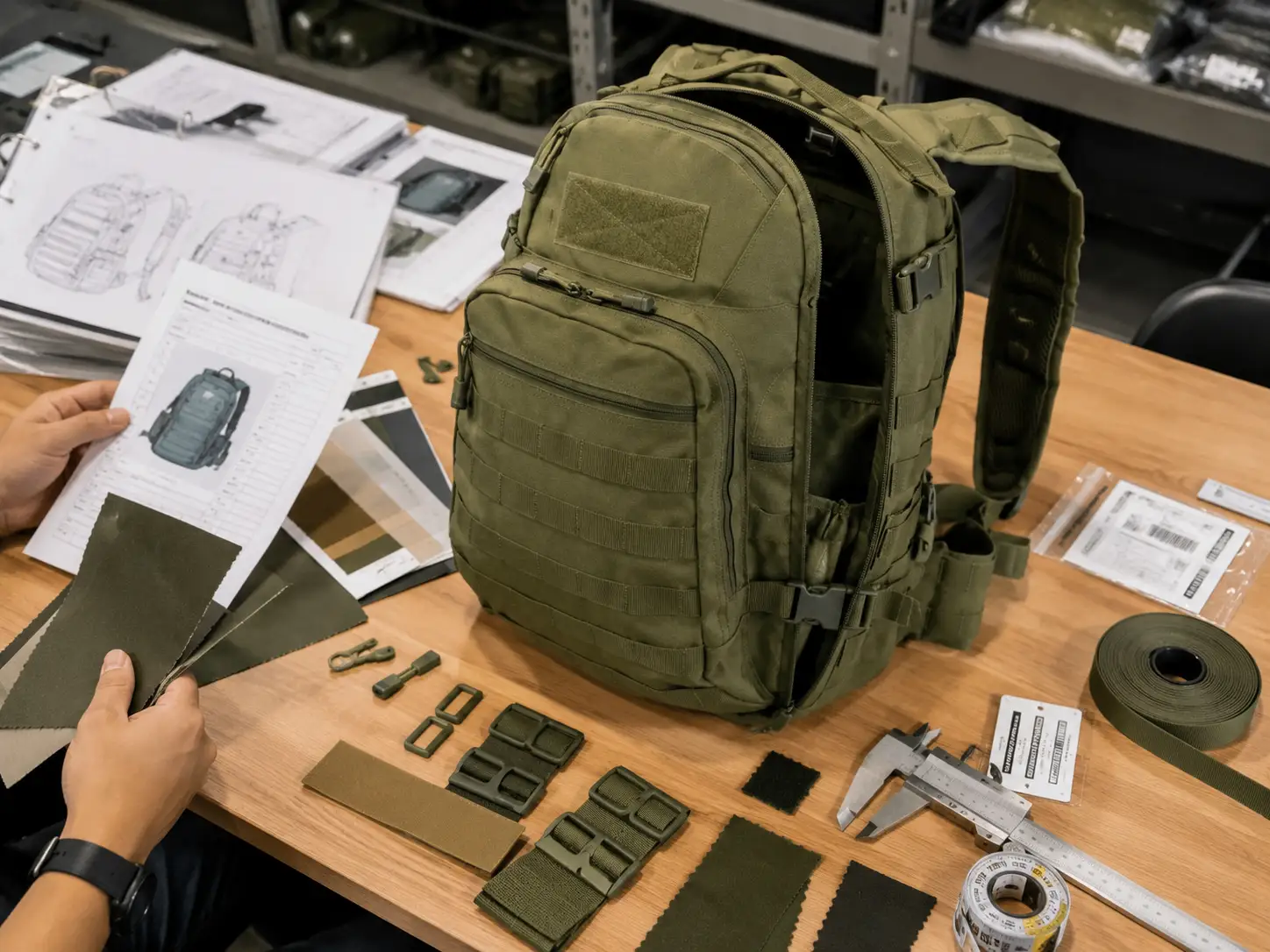
Quality Checks Before Approving Bulk Production
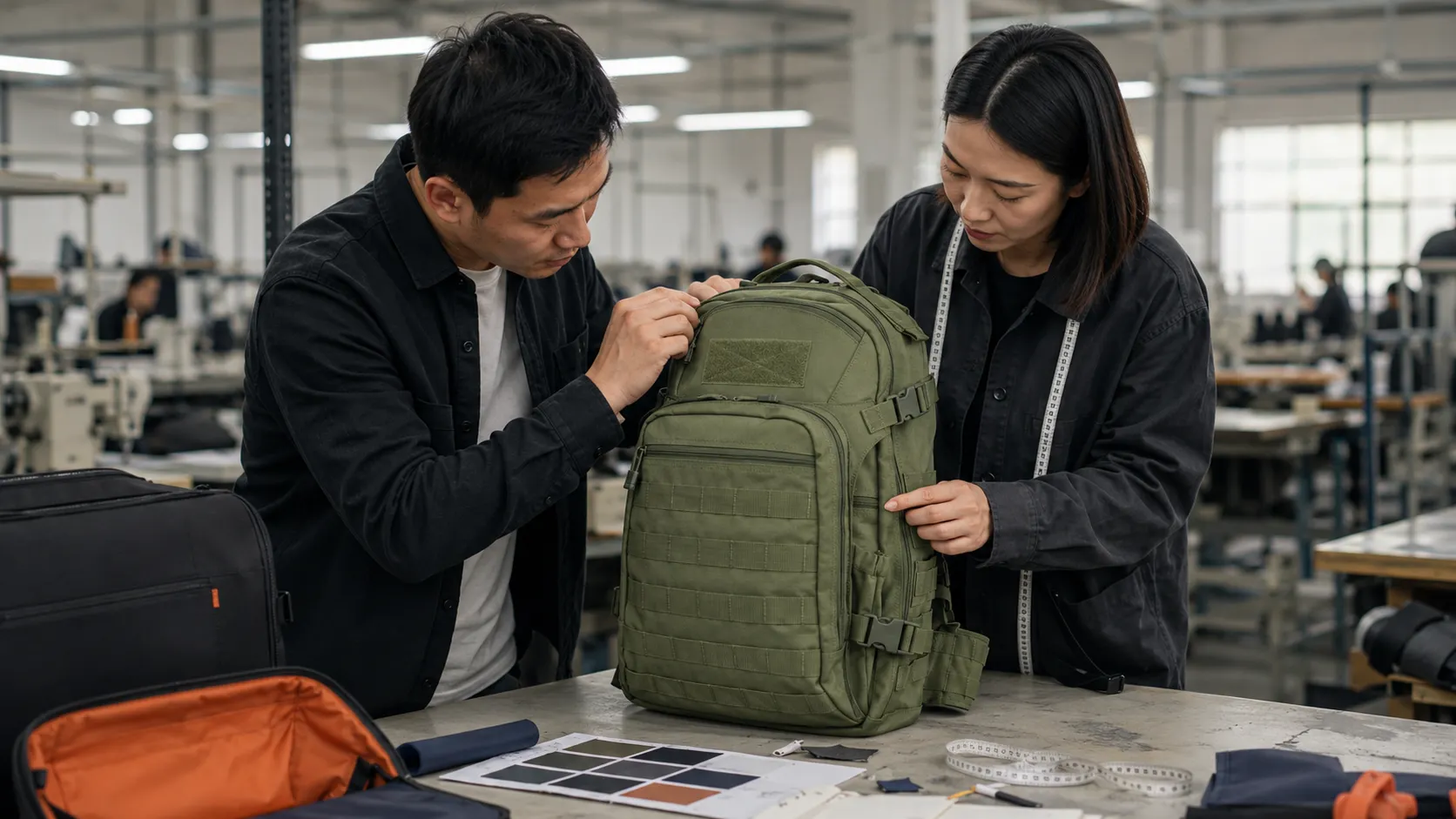
Approve the pre-production sample against a written specification, then make that revision the reference for bulk inspection. Check fabric identity and coating, shade consistency, seam allowance, stitch density, bar-tacks at load points, webbing alignment, zipper operation, buckle engagement, compartment dimensions, harness symmetry, logo position, labeling, and carton packing. For load or weather claims, agree on the test method, sample size, acceptance threshold, and responsible laboratory before production. A visual inspection alone cannot substantiate waterproof, flame-resistant, ballistic, or defined load-bearing performance.
Frequently Asked Questions About Tactical Backpack Manufacturers
What is the difference between an OEM and ODM tactical backpack manufacturer?
An OEM normally manufactures from the buyer’s design or technical specification. An ODM can provide an existing design platform and modify features such as fabric, pockets, MOLLE, color, logo, and packaging. In practice, capabilities overlap, so confirm design ownership, tooling rights, exclusivity, and change-control terms before development begins.
How should buyers verify a tactical backpack manufacturer’s quality?
Request a facility and process overview, material records, an approved sample, a product-specific inspection checklist, and dated test evidence for any performance claim. During production, inspect incoming materials, stitching and reinforcement, hardware operation, dimensions, labeling, and packing. Use an independent inspection or laboratory when the contract risk justifies it.
What MOQ should buyers expect for custom tactical backpacks?
Use 100–300 pieces per style/color for an existing model with a standard color and logo, 300–500 pieces for moderate pocket, MOLLE, lining, harness, or hardware changes, and 500–1,000+ pieces for a new structure or custom-dyed material. These are 2026 planning ranges derived from current supplier starting points; component minimums determine the final quote.
Which material is best for a tactical backpack?
There is no single best material. Polyester can suit cost-sensitive general retail, while nylon options may serve higher abrasion or premium positioning. Denier does not prove durability by itself. Compare fiber, weave, coating, tear and abrasion data, colorfastness, finished weight, hand feel, reinforcement, and the actual intended load.
Should a buyer choose a factory or an established tactical brand?
Choose a factory for private labeling, specification control, target costing, and differentiated product development. Choose an established brand for recognized designs, catalog availability, system compatibility, and professional purchasing channels. Buyers with enough volume can use both: branded products for immediate demand and an OEM program for long-term differentiation.
What should be confirmed before paying a deposit?
Confirm the legal supplier identity, final quotation, specification revision, approved sample status, materials, logo, packaging, MOQ, payment milestones, production schedule, inspection method, shipping term, warranty, and remedy for nonconforming goods. Sensitive military, government, and protective projects also require end-use, sanctions, export-control, and tender-compliance checks.
Conclusion
The best tactical backpack manufacturers are not interchangeable. Fieldtex and London Bridge Trading suit certain U.S. manufacturing and institutional requirements; LQ ARMY, Zennison, and ZWbags provide different OEM/ODM routes; MYSTERY RANCH, Savotta, Tasmanian Tiger, Eberlestock, and Kifaru offer established load-carriage systems and branded procurement paths. Shortlist by sourcing model first, then compare the approved specification, evidence, quality process, and commercial terms.
If your project requires private-label tactical backpacks, share your target capacity, material, quantity, logo, market, and reference design with the Zennison tactical backpack team. The team can review the configuration and prepare the next sampling or quotation step without assuming one standard pack fits every buyer.